Freedom for whom? Church asylum and the responsibility of a free society
In 1989, freedom was fought for – also in churches that opened up spaces for opposition, exchange and non-violent protest. The peaceful revolution and the fall of the Berlin Wall made possible a freedom that shapes our lives today – and at the same time makes us responsible. But what does it mean to live in this heritage and to act politically today?
Freedom is more than the memory of a successfully won right. It confronts us with the task of standing up for human rights today and enabling protection for people whose freedom and security are threatened. Church asylum is a concrete example of this. When churches open their doors to those seeking protection, humanitarian responsibility, state law and the self-image of the church come into contact. What can church asylum achieve? What are its possibilities and limits? And what does it mean for a free society when people need protection?
Participants in the panel discussion:
- Thomas Jeutner, long-time pastor, Versöhnungsgemeinde, Bernauer Straße
- Bettina Röder, journalist and contemporary witness to the political upheaval in East Germany in the 1980s and member of the board of trustees of Stiftung Friedliche Revolution
- Cecilia Juretzka, legal adviser at Asyl in der Kirche Berlin-Brandenburg e.V.
- Mohammad Enezz, mechatronics engineer, former guest at the church asylum
Moderation: Dominique Hensel, journalist at brunnenmagazin.de and Berliner Tagesspiegel
Against the backdrop of the East German democracy movement in the 1980s and the history of upheaval in the autumn of 1989, we ask: How can we preserve and pass on freedom today? And what does it mean when we understand freedom not only as a right in our own right, but as a responsibility for the freedom and dignity of others?
In German.
Location:
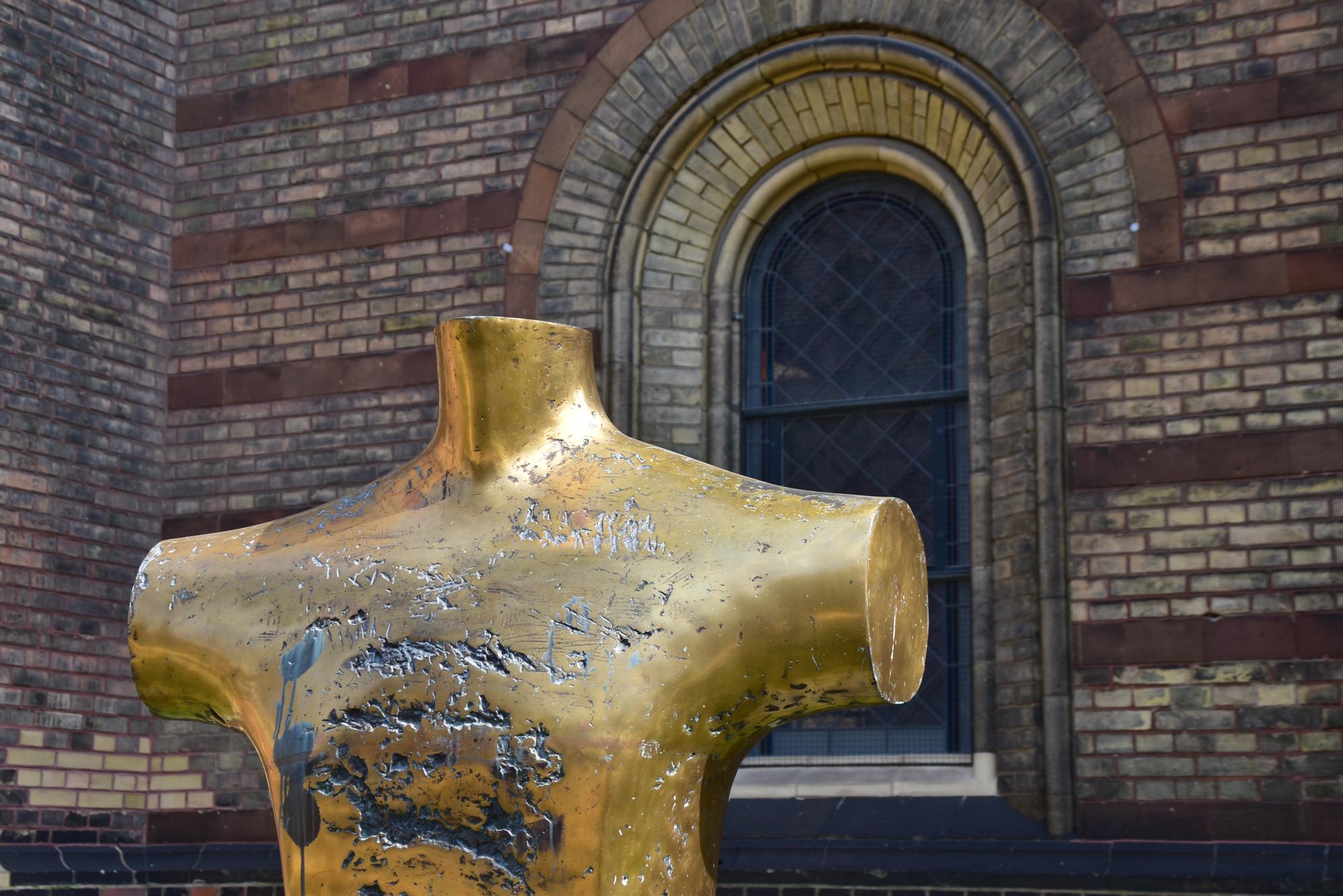
Zionskirche
Zionskirchplatz
10119 Berlin